Intermittent Fasting 101 - Beginner’s Guide
In This Article
Intermittent Fasting 101 - Beginner’s Guide

Ashitha Kareem
Updated on June 19, 2024

Medically verified by Dr. Arya
Fact checked by Sreemoyee
Wellness
10 minutes
They act as a powerful tool for weight loss, improved metabolic health, and enhanced overall well-being.
Have you heard about IF? Want to know more about it?
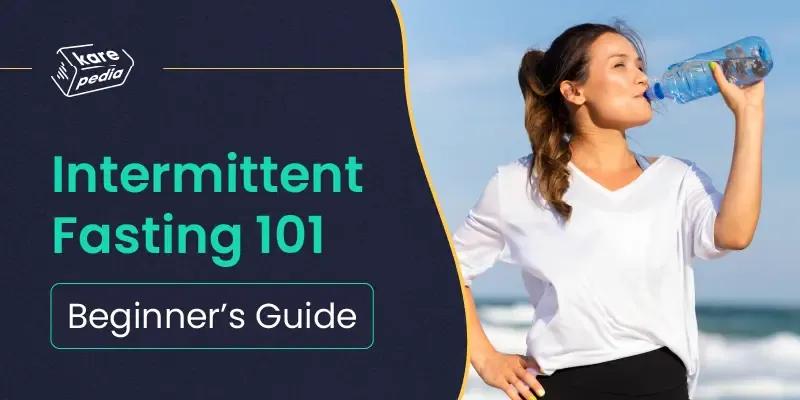
This beginner’s guide by Karepedia will introduce you to the basics of intermittent fasting, its benefits, and how to get started.
What is Intermittent Fasting?
Intermittent fasting is not a diet in the traditional sense, but rather an eating pattern that cycles between periods of fasting and eating.
It doesn't specify which foods to eat, but rather when you should eat them.
Time-restricted feeding is most beneficial when fasting starts after 6 p.m. It can yield the most result as the calories closer to bedtime won’t be converted to fat rather than being used as energy.
Research shows that these methods not only help in reducing weight, but also can reverse lifestyle diseases to a great extent.
Common Intermittent Fasting Methods
There are various Intermittent Fasting methods. We are going to discuss some of them here.
16/8 Method
- It is a form of time-restricted eating. People following the 16/8 method are to fast or avoid food for 16 hours and eat healthy food for the next 8 hours.
- There are no specific guidelines for what to eat during this method. However, eating healthy food during this practice can assure optimal results.
- Most people following the 16/8 method abstain from their food for the night and some parts of morning and evening.
- Choosing hours closer to our bedtime with little activities is preferred since the metabolism rate at these times will be minimal.
- It is also important to plan and follow a regular schedule for the fasting rather than switching it over at will so the internal clock and the body functions get used to it and work accordingly.
5:2 Diet Plan
This method suggests eating a healthy meal for 5 days a week and fasting for the next 2 days.
- This helps the stomach to rest and distribute the unused calories. The fast day consumes approximately 500 to 600 calories.
- 5:2 diet plan suggests the possibility of lower coronary heart diseases.
Eat-Stop-Eat
- This involves a 24 hour interval between your meals once or twice in a week.
- The fasting cycle can be done on any non consecutive days.
- The extra calories required by the body are created from burning glycogen stored in the body, not from the carbs.
Alternate Day Fasting
- This method can also be considered the gist of feast and famine.This diet includes fasting every other day.
- This method proved to have significant benefits in blood sugar, insulin and inflammatory proteins.
- Some studies suggest that in 1 year alternate day fasting had a higher density of LDL; which is considered a disadvantage of the method.
Getting Started with Intermittent Fasting
Choose your Method
Select a method that best fits with your goals and lifestyle.
Make sure to choose it wisely. Intermittent fasting is itself a lifestyle. If not chosen appropriately it can cause potential harm.
Beginners usually find 16/8 methods the most convenient to start with.
Start Slowly
Take things slowly. There is no need to rush things.
Our body has its own circadian mechanisms (internal clock). Let your body gradually get used to the new diet method.
Stay Hydrated
Drink plenty of water. It can help you deal with your hunger and also help you gain the necessary electrolytes, sodium and potassium chloride.
You can add cucumber or lemon to your drinks or opt herbal teas instead.
Eat a Balanced Diet
A balanced diet includes;
- Fruits, vegetables
- Whole grains including quinoa, brown rice, oats
- Lean protein like fish, egg, poultry, tofu, nuts, seeds
- Healthy fat from olives, coconut, seeds etc.

 10mint
Sexual Health Matters: How To Maintain Your Sexual Health ?
 10mint
Your Guide to Sexual Health Screening and Preventive Measures
 10 mints
STDs in Women: Comprehensive Guide on Symptoms and Treatments
Get a Callback Now
Listen to Your Body
Pay attention to your body’s needs. Make sure to attend to any fatigue or unwellness during intermittent fasting.
If you are opting for a method for a specific reason such as to control insulin level or due to any heart condition or for a medical procedure or surgery make sure to consult with your doctor before opting any methods.
If you are on any long term medication plan your methods accordingly.
Combine with Healthy Lifestyle
Eating fast food or other unhealthy foods during the eating windows and starving yourself won’t benefit you.
Intermittent fasting allows you to diet without strict restrictions, but following a healthy lifestyle with them can help you achieve your goals.
Eating normal and eating crazy does make a difference in your desired outcomes.
Regular exercise and a healthy lifestyle along with intermittent fasting can help you with weight management and lifestyle diseases and help to reverse them to a great extent.
Benefits of Intermittent Fasting
If properly maintained intermittent fasting has many benefits including
- Improved thinking and memory
- Increased heart health
- Protecting against type 2 diabetes
- Helps with age related neurodegenerative disorders
- Better physical performances
- Inflammatory bowel disorders etc.
Potential Harms of Intermittent Fasting
- Hunger
- Irritability
- Nutrient Deficiency
Who Shouldn’t be Choosing Intermittent Fasting
- Teens or children under 18 years
- Pregnant or breastfeeding women
- Type-1 diabetes who are taking insulin
- Those with eating disorders
- History of diseases such as kidney stones, gastroesophageal reflux etc.
Intermittent fasting allows you to achieve your goals of dieting by eating normally.
As long as you are consistent in following the methods, intermittent fastings can help you to reduce your weight, manage diabetes and improve your overall health.
It also increases the metabolic rates and enhances brain functions.
Beginning a new lifestyle can be hard, but being persistent and steady in it you can acquire a healthy lifestyle.

IF alternates between eating and fasting periods, focusing on when to eat rather than what to eat.
IF can aid weight loss, improve metabolic health, enhance memory, heart health, protect against type 2 diabetes, manage age-related disorders, and improve physical performance.
Pick a method that fits your lifestyle.
IF can cause hunger, irritability, and nutrient deficiencies. Not suitable for teens, pregnant or breastfeeding women, type 1 diabetics, and those with certain medical conditions.
For best results, combine IF with regular exercise and a healthy diet.
IF can help with weight loss, diabetes management, and overall health improvement. Consistency is key to achieving benefits.
Source Links
Hopkins Medicine
Medical News Today